
Prat de l’Ermita
Un racó màgic
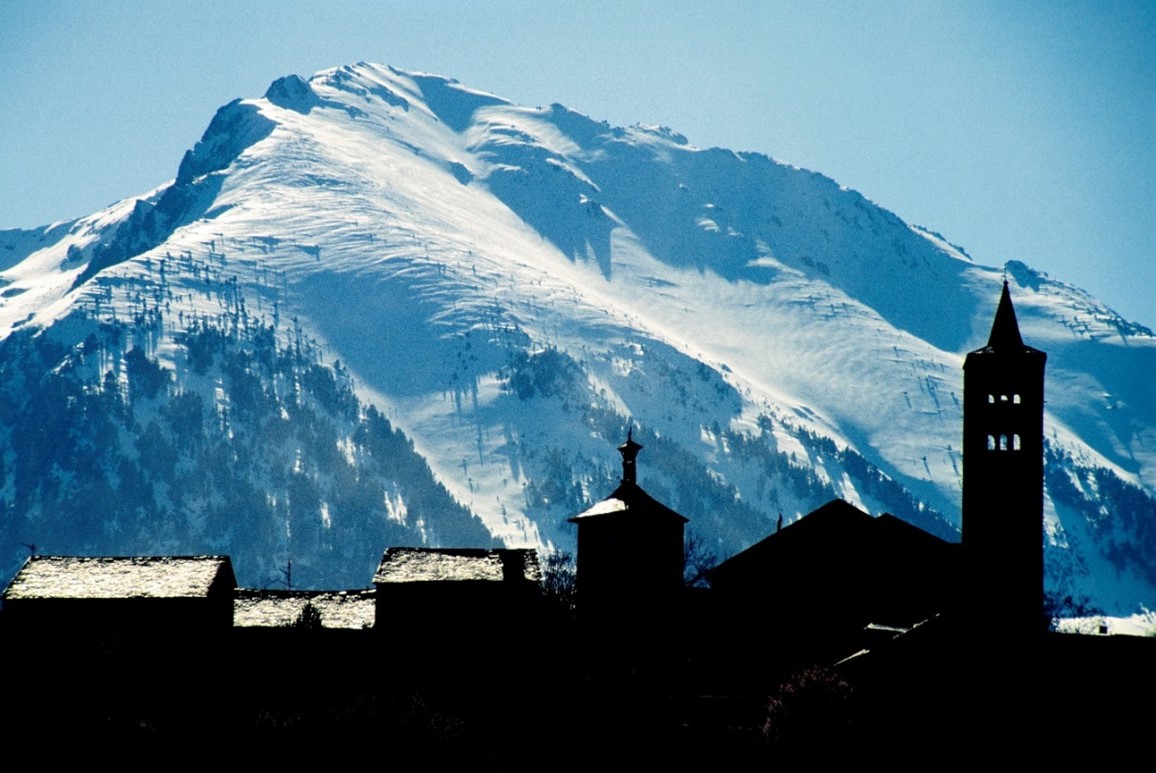
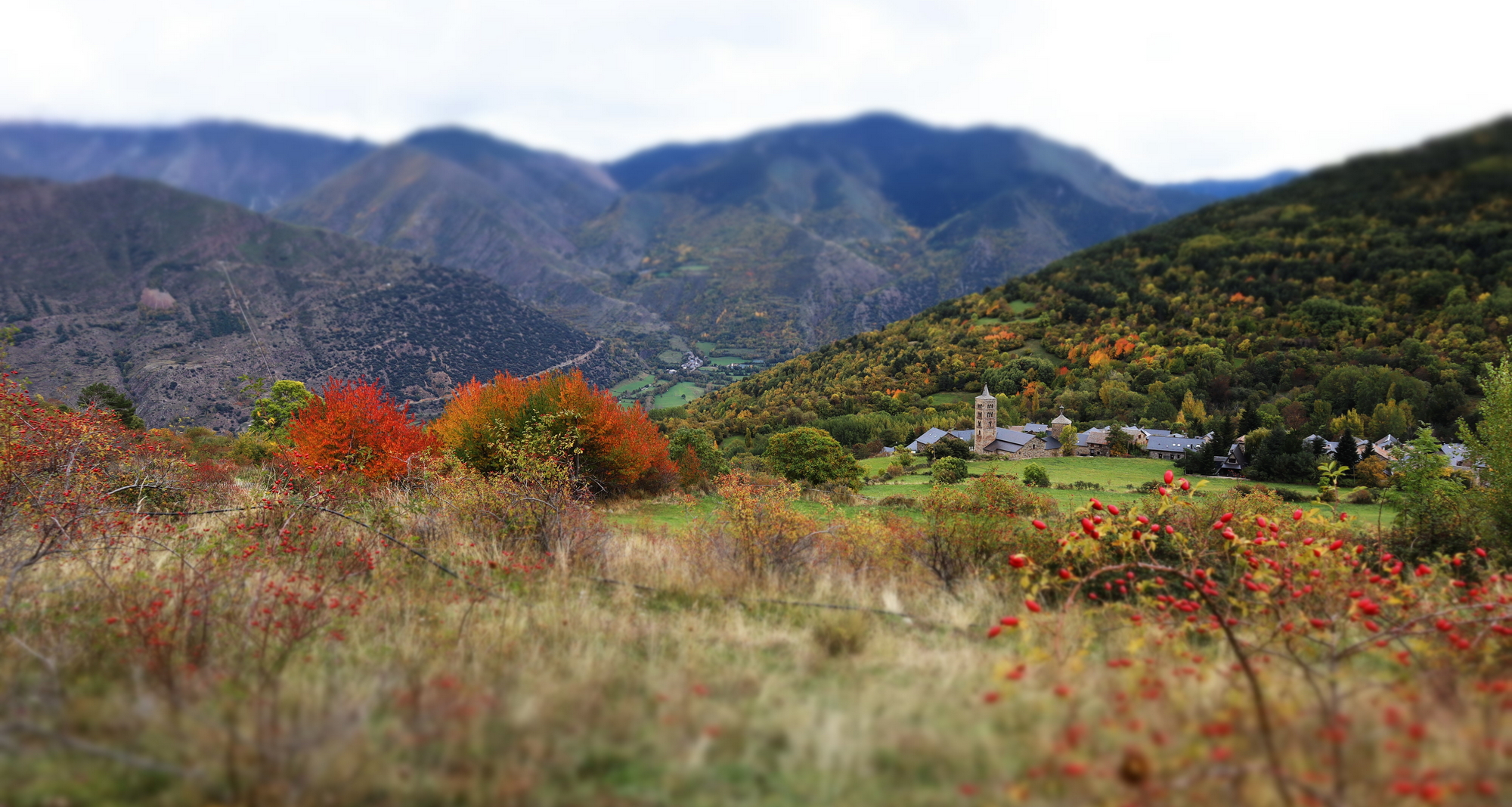
The village of Son is located in the northernmost part of Pallars Sobirà, in the Àneu Valleys, at the heart of the Catalan Pyrenees.
It is a high-altitude locality, situated at 1,440 meters above sea level, on the sunny side of the valley, watched over by the mountains of Lo Tésol (2,700m), Roca Blanca, and Pinetó.
The village’s rustic appearance blends harmoniously with the mountains and the Romanesque bell tower of its church.
The riparian forest area is located just outside the village, on the road to Jou, right after crossing the bridge over the Tinter de Son River.

Riparian Forests
The riverbanks feature characteristic vegetation known as riparian vegetation. This vegetation follows the course of the river, though it is often altered by human activity. Riparian forests offer many environmental benefits:
- They serve as natural refuges for plants and animals
- They slow down river flooding during heavy rains
- They improve groundwater recharge
- They are excellent biological connectors
- They provide therapeutic and well-being benefits for humans

The Meadow of the Hermitage
A dense, lush meadow composed of a diverse mix of vigorous grasses, often forming two layers:
- A higher layer (1–1.3 meters tall) where broad-leaved grasses and umbellifers dominate
- A lower layer where clovers and other medium-sized herbs intermingle
These meadows grow rapidly between late spring and early summer and are harvested in mid-summer. The regrowth that follows is usually used as autumn pasture.
Contact